

How a Custom Cookie Cutter From Photo Works
Some gifts get an aww. A custom cookie cutter from photo gets a laugh, a happy gasp, and usually a phone held up to compare the cookie to the original face.
That reaction is the whole charm. You are not just buying a baking tool. You are turning a pet, partner, child, logo into something people can hold, decorate, and serve at the table. For bakers, it is a creative shortcut to cookies that feel personal. For gift buyers, it is a keepsake with actual personality. And for events or small businesses, it can become a small detail that people remember long after the cookies are gone.
Why a custom cookie cutter from photo feels different
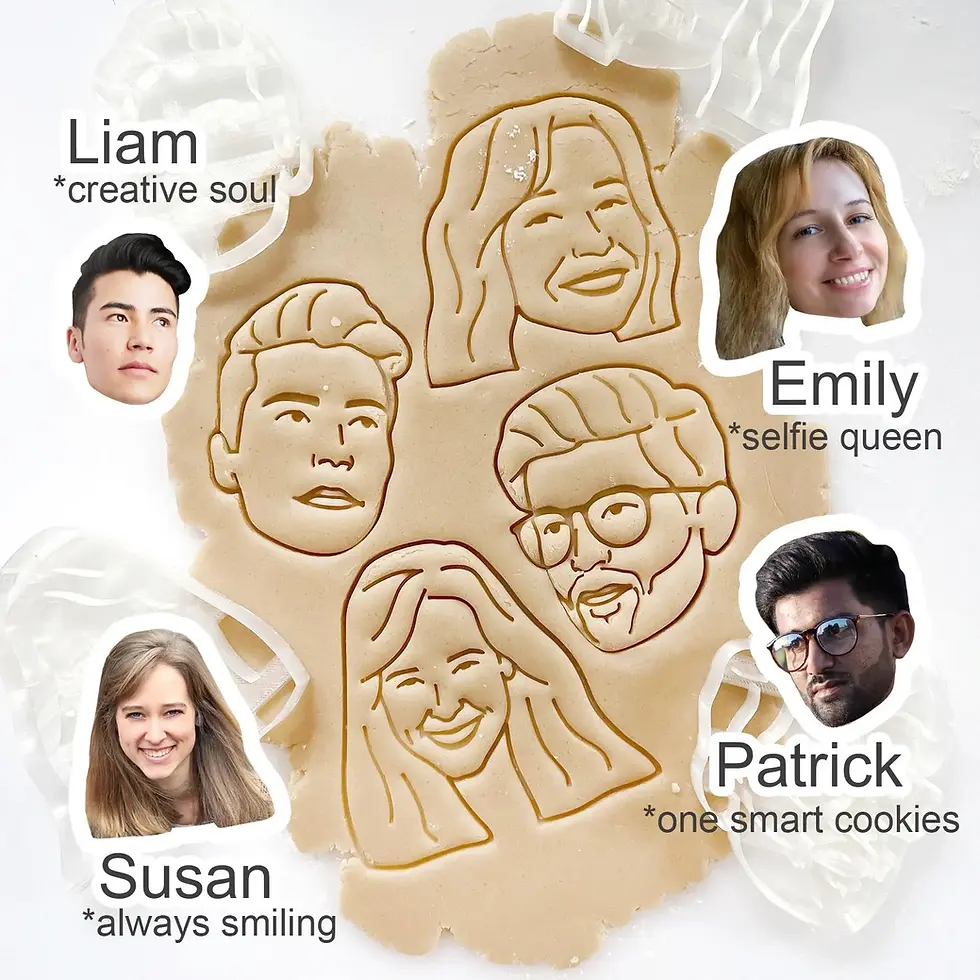
There is a big difference between a generic heart or bone-shaped cutter and a portrait cutter based on a real photo. One is useful. The other tells a story.
A photo-based cutter captures the little details that make someone recognizable - the tilt of a dog’s ears, a favorite hairstyle, a couple leaning together, a logo with its distinct silhouette. That is why these cutters work so well for birthdays, pet adoption anniversaries, wedding showers, memorial bakes, and branded events. The cookies are doing more than matching a theme. They are reflecting someone specific.
That personal connection also changes how people use them. Some customers want a playful one-time gift. Others are serious decorators who want a portrait cutter they can use for holiday sets, farmers market cookies, client gifts, or pet bakery menus. The beauty is that the same idea can feel sentimental, funny, polished, or all three at once.
How a custom cookie cutter from photo is made
The best version of this process starts with artwork, not automation alone. That matters more than most people realize.
A photo has lighting, background clutter, shadows, and angles that do not always translate neatly into a cutter. The simple trace a photo will not work in this case. A strong custom cutter design usually involves simplifying the image into clean, intentional lines that still keep the personality of the subject.
That is where hand-drawn interpretation makes such a difference. The goal is not to recreate every strand of hair or every tiny whisker. The goal is to create a shape that reads clearly as a cookie and still feels unmistakably like the person, pet, or brand in the photo.
Once the artwork is prepared, the cutter is turned into a printable design and produced in durable plastic using 3D printing. From there, the cutter is checked, finished, and shipped out. In a thoughtful process, customers also get a proof before production so they can make sure the design looks right.
That proof step is especially reassuring when the photo is emotionally meaningful. If the cutter is based on a beloved dog, a wedding photo, or a couple portrait, people want to know they will recognize that face when the cookies come out of the oven.
Choosing the right photo
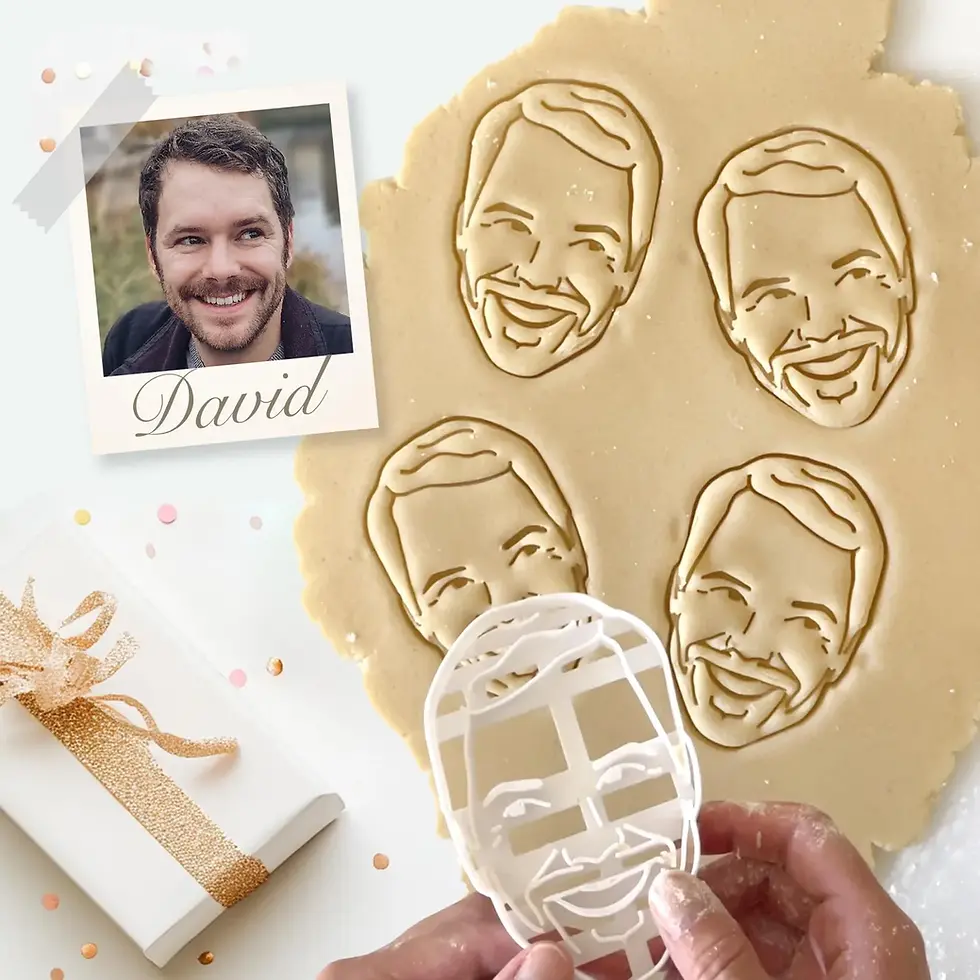
A great photo does not need to be studio-perfect, but it does need to be clear enough to show what makes the subject distinctive.
For pets, front-facing or slightly angled portraits usually work best. You want visible ears, face shape, and expression. If the dog is wearing a bandana that is part of their personality, that can sometimes be included. If the photo is dark, blurry, or taken from far away, some of that character gets lost.
For human portraits, clean outlines matter. Hair shape, glasses, beard lines can all help the final cutter feel recognizable. Photos with harsh shadows across the face or busy backgrounds are usually less ideal than simple, bright images.
For couples, families, or logos, it depends on complexity. Logos are often the most straightforward when the original file already has clean lines, but some logos are too detailed to make good cookie cutters at smaller sizes.
This is one of those places where honesty matters. Not every image translates equally well. A good maker will tell you when a different photo would give a better result instead of forcing a poor fit.
What makes a portrait cookie cutter actually work in dough
A beautiful drawing is only half the job. The cutter also has to perform well in the kitchen.
That means the outline needs enough structure to cut cleanly through dough without catching or bending delicate sections. Tiny floating details and overly intricate edges may look impressive on a screen but become frustrating once flour, butter, and chilled dough enter the picture.
There is always a balance between detail and usability. More detail can make a portrait feel more specific, but too much of it can create weak points in the cutter or cookies that break after baking. A well-designed cutter keeps the character while making smart choices about what to simplify.
Best occasions for photo-based cookie cutters
This is where these cutters really shine. They fit celebrations that feel deeply personal and a little playful.
Pet birthdays are an obvious favorite because people love seeing their dog or cat turned into a cookie. They are also a sweet fit for gotcha days, adoption parties, rescue fundraisers, and memorial bakes. A pet portrait cutter turns a favorite face into something joyful and shareable.
For people, custom portrait cutters are popular for weddings, anniversaries, baby showers, retirement parties, and family holiday baking. They make especially charming gifts for the person who already has everything except a cookie version of their spouse, kids, or granddog.
Business use is growing too. Custom logo cutters can give branded cookies a polished, memorable feel for launches, client boxes, grand openings, and event tables. The same emotional appeal still applies. People remember thoughtful details, especially when they are edible.
What to expect when ordering
The easiest custom experiences feel personal but organized. You upload a photo, share any notes, review a proof, approve it, and then production begins.
That process matters because custom means made for you, not pulled from a shelf. Proof approval gives you a chance to confirm the likeness before the cutter is printed. It also helps set expectations. If a photo needs simplification for baking performance, you can see that choice before anything is finalized.
Timing is worth paying attention to, especially if the cutter is for a party or holiday. A made-to-order item includes design time, proofing, production, and shipping. If you are ordering for a birthday box or wedding weekend, give yourself breathing room.
This is one reason small maker brands build loyalty. When the process is clear and the artwork is original, customers feel taken care of rather than pushed through a generic customization form.
A custom gift that people actually use
A lot of personalized gifts end up displayed once and forgotten. A cookie cutter is different because it invites repeat use.
You can bake with it for the first reveal, then pull it out again for holidays, party favors, cookie classes, or just a rainy Sunday project. For pet lovers especially, that repeat joy is part of the appeal. The cutter becomes both a kitchen tool and a tiny tribute.
It also works across skill levels. A professional decorator might create detailed portrait cookies with flood icing and painted accents. A beginner can use the same cutter for simple vanilla cookies with colored sugar and still get a delightful result. That flexibility makes it a safer gift than highly specialized baking gear.
At Baker’s Street Cutters, that blend of hand-drawn artwork, proof approval, and made-in-the-USA production is exactly what makes the final piece feel so personal. It is custom in the real sense of the word, not just customized at checkout.
Is it worth it?
If what you want is the cheapest cutter possible, probably not. A custom portrait design takes real art and real production time.
But if you want something that makes people smile before the cookies are even decorated, the value is easy to see. You are paying for likeness, originality, and the kind of detail that turns a photo into a usable baking tool. That is why these cutters land so well as gifts and why bakers come back for more than one.
The best part is simple. A favorite face does not have to stay on your phone. It can show up on a tray of cookies at a birthday party, on a holiday platter, or in a bakery box handed to someone who instantly knows exactly who it is. That is a lovely kind of magic for something as humble as a cookie cutter.


Comments